
BY ANDY BARTON
Taking a child he placed it in their midst, and putting his arms around it he said to them, “Whoever receives one child such as this in my name, receives me; and whoever receives me, receives not me but the One who sent me.” Mark 9:36,37
Over 150,000 children in the United States experienced homelessness on a single night in 2024. That finding, taken from the annual Point in Time (PIT) count, was part of a December report from the Department of Housing and Urban Development (HUD) on the state of homelessness in the United States. The same report indicated a 40% increase in family homelessness nationwide in 2024. The PIT count in Colorado Springs this past year identified 265 children experiencing homelessness and a 12% increase in homeless families. Douglas County reported four children experiencing homelessness.
The PIT count, however, is an imperfect methodology for capturing the number of homeless children and families. A better indicator is the Department of Education’s McKinney-Vento Homeless Assistance Act, which counts homeless children enrolled in schools, reported 977 homeless students in El Paso County and 559 in Douglas County in the 2022/2023 school year.
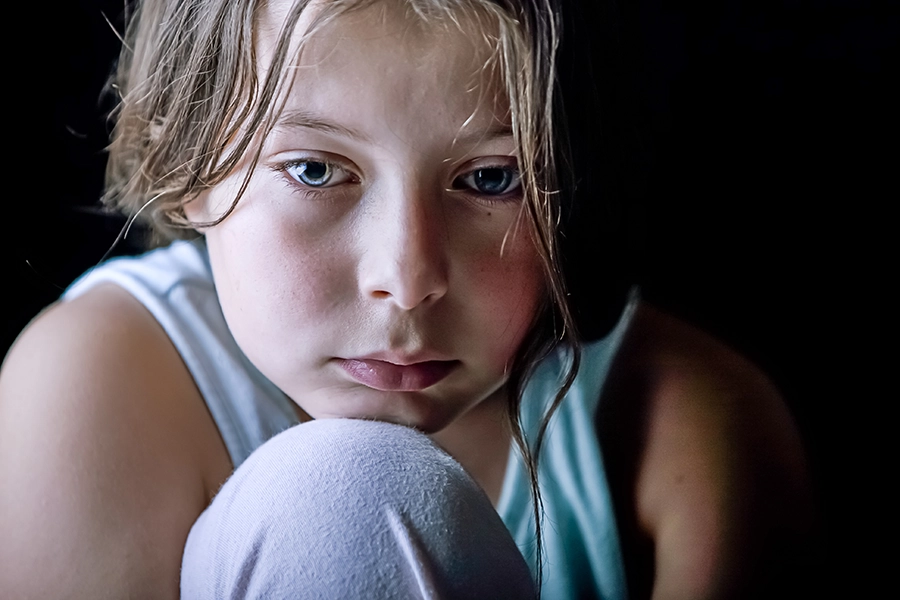
Either way, the numbers are staggering in the daily reality they represent for thousands of children and their predictive implications. It should surprise nobody that the short and long-term impacts of homelessness on children are severe and detrimental. Studies show that children experiencing homelessness, even for a brief period, show higher occurrences of chronic health conditions, mental health deterioration, school absences, and lower test scores. The health issues include substance abuse, the risk of violence, and employment as challenges that tend to last a lifetime. While there is little data on the correlation between homelessness experienced as a child and as an adult, the generational cycle of poverty is well documented. In 2020, the Children’s Defense Fund reported that 84% of children who experience poverty never overcome it as adults.
Given all of what we know about child and family homelessness, its eradication should be a top priority for every community. Achieving this aim is difficult but not impossible. Our approach at Catholic Charities addresses the complexity of family homelessness by focusing on prevention and crisis response. At our Family Connections site, we can provide showers and laundry facilities to parents and children who have nowhere else to go. Our education team offers a caring and educational environment for children while, simultaneously, coaching parents in skills to help their children thrive. Our case managers, at Family Connections and in Castle Rock, walk alongside parents needing services, helping them access health care, employment, education, and housing. Homelessness results from a myriad of setbacks and system failures, but it is impossible to address them without housing. That is why we have invested over $9 million in developing 24 units for families experiencing homelessness at our Helen Hunt Campus. When it opens in the summer of 2025, this housing will help our community’s most vulnerable homeless families take the first step toward stability.
Homelessness inspires strong, competing, feelings among people ranging from sympathy to disdain. Some understand and are sympathetic to the complexities that lead to the condition, while others believe it comes down to accountability and work. Yet, there is one point upon which everyone seems to agree: homelessness is no place for a child. We must do everything in our power to keep children from experiencing homelessness for what it means now and what it means in the future. With your help, Catholic Charities is meeting the challenge.
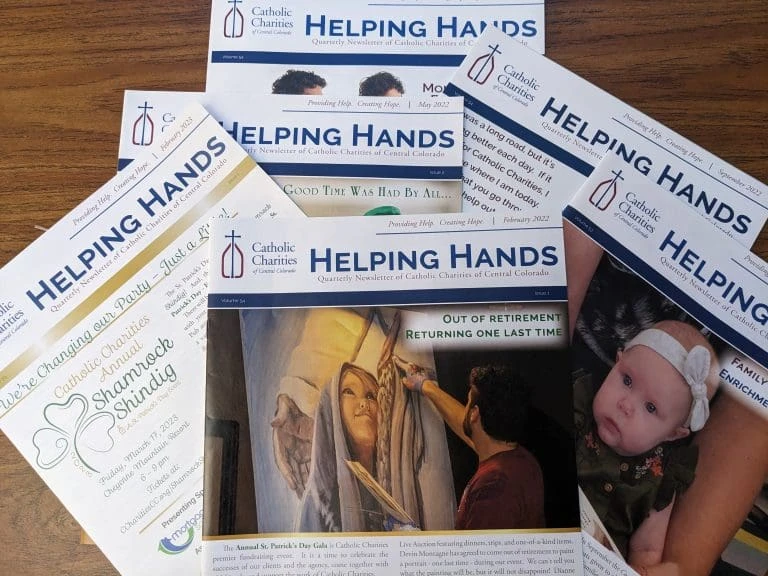
Andy Barton is the President and CEO of Catholic Charities of Central Colorado. This column was first published in the Feb 1, 2025 issue of Helping Hands quarterly newsletter.
Leave a Reply