

The convention for newsletters like this is to impress upon you, the reader (and hopefully supporter of the organization’s work), how much the organization has done over some period. We share the number of people served or testimonials from individuals whose lives were changed. This month, I am going against convention to provide some insight into what Catholic Charities has not been able to do.
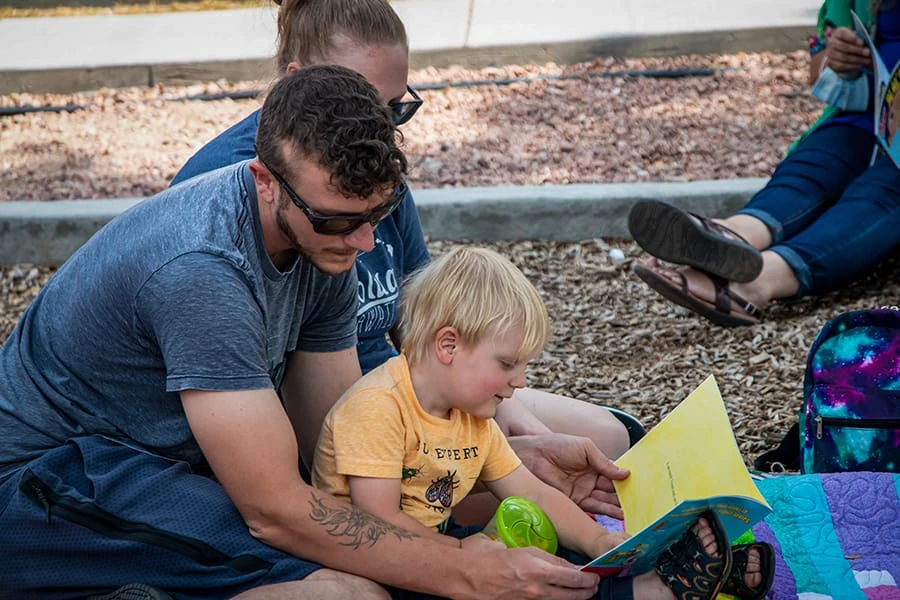
In an average winter month, our Family Connections team receives over 820 separate calls for assistance. The three most common requests are for financial help with rent, food, and basic needs. We also field requests for utility assistance, car seats, employment help, and access to government benefits like SNAP and TANF, among other needs. In addition to the specific crisis expressed in these calls, every outreach comes with a complex background of circumstances that cannot be easily quantified for tracking purposes. The immediate need is almost always a symptom of a bigger root cause.
Family Connections allocates three staff and a small group of volunteers to managing the response to this constant call volume; yet the constraints of both manpower and money — combined with the complexity of needs — mean that our team is able to help resolve the needs of less than 20% of those calls. We can offer recommendations or suggestions for the remaining 80%, but we do not have enough people or money to directly address all that is needed.
Those statistics are a snapshot of just one of the services provided by Catholic Charities. Except for the daily meal served at the Marian House Kitchen, where nobody is turned away, every other program sees demand that eclipses our resources. To be clear, this is not a result of budget shortfall – through the first half of the fiscal year, we are right on goal with fundraising. It is simply a result of the size of the need.
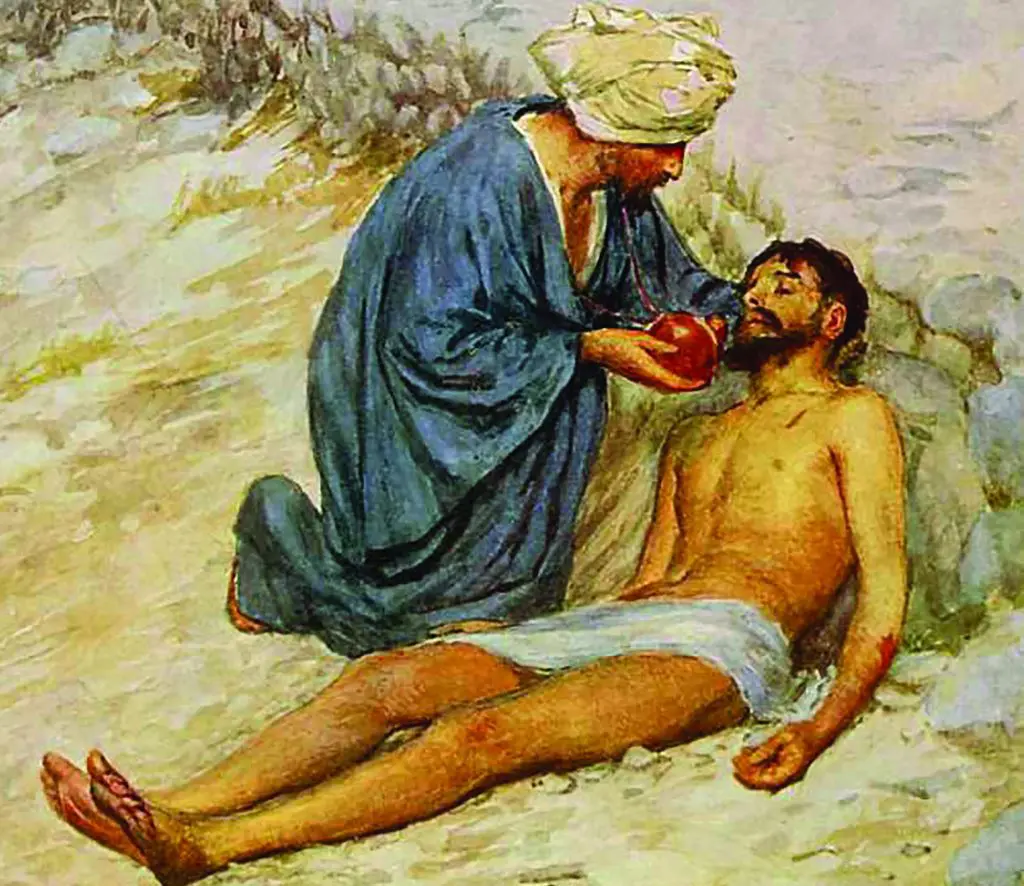
In Chapter 10 of the Gospel of Luke, Jesus delivers the parable of the Good Samaritan, a scriptural cornerstone for the work of Catholic Charities. The Samaritan tends to the injured man’s wounds and then, importantly, leaves him in the care of an innkeeper, “with the instruction, ‘Take care of him. If you spend more than what I have given you, I shall repay you on my way back.’”
If there were a modern example of the Good Samaritan story, I would suggest that his final instruction to the innkeeper would instead be: “Take care of him but don’t spend too much because you have a lot more on the way and I don’t have enough silver for all of them.” Today, there are not enough Samaritans for all the injured in our community. The reality for organizations like Catholic Charities is that the high and unpredictable volume of people in need requires a pooling of funds that ends up diluting the impact that we can have on one individual. Instead of doing everything for a few, we do a little for hundreds. This is important and meaningful work, but it does not feel like enough.
Every year, Catholic Charities receives overwhelmingly generous support from people like you who give time and money in support of those we serve. I wish we had more like you. More Good Samaritans who could provide more resources that would allow us not only to increase our direct financial assistance to those in need but also allow us to hire more staff to walk hand in hand with those who suffer. More resources would allow us to scale our impact to the level that our community needs.
This brings me to the 25th anniversary of our St. Patrick’s Day Gala. This event has become a part of our identity and culture; however, its founding has less to do with St. Patrick’s Day than it did with the natural cycle of philanthropic giving. It began in 2001 to not only boost giving but also to increase awareness of those unfamiliar with our work. Those goals remain essential and relevant to this day – it is our time to ask Samaritans to come back to the inn.
Catholic Charities stands in the place of the innkeeper, ready to receive, shelter, and accompany those whom you, the Good Samaritan, lift from the side of the road. When you choose to attend the Gala, make a gift, sponsor a table, volunteer your time, or invite others to do so, you place resources in the innkeeper’s hands so that, together, we can do more to meet the needs of those who are wounded in our midst. Realizing the Samaritan’s promise to provide all the silver necessary to do what is needed would be a radical shift in convention.
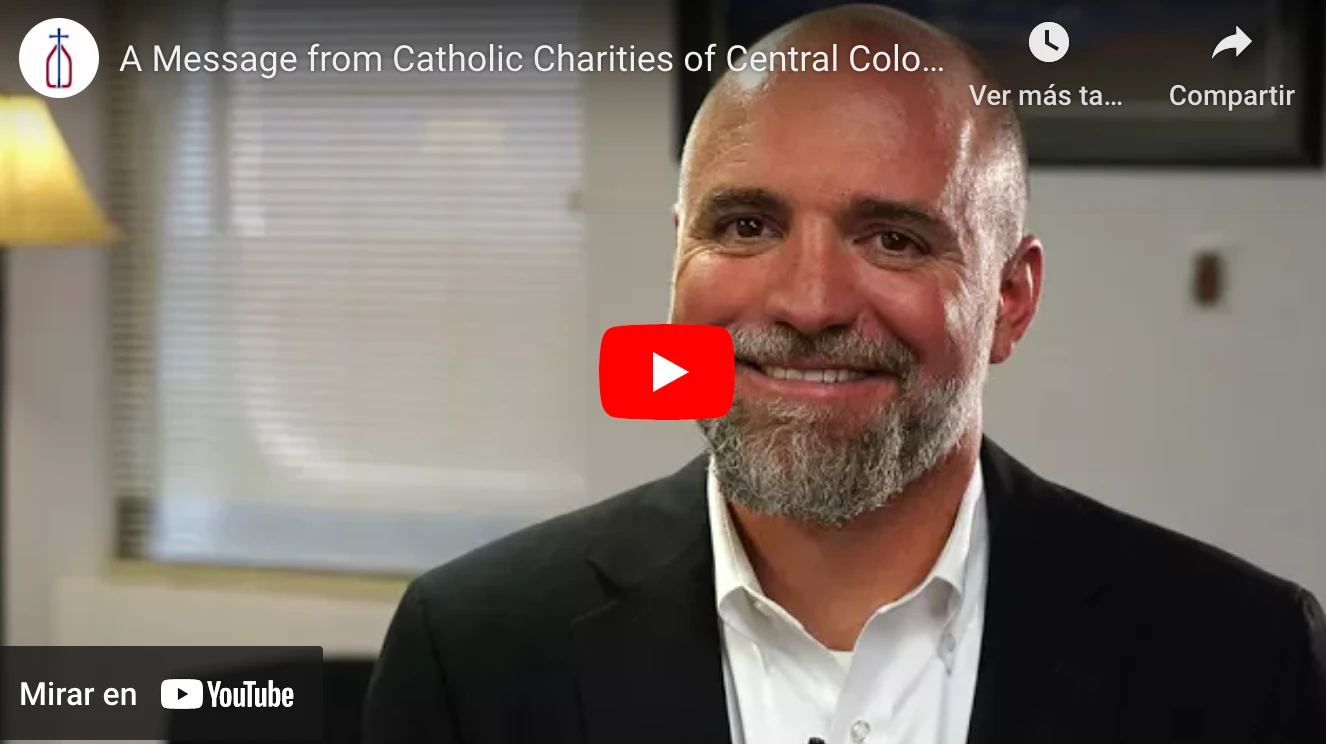
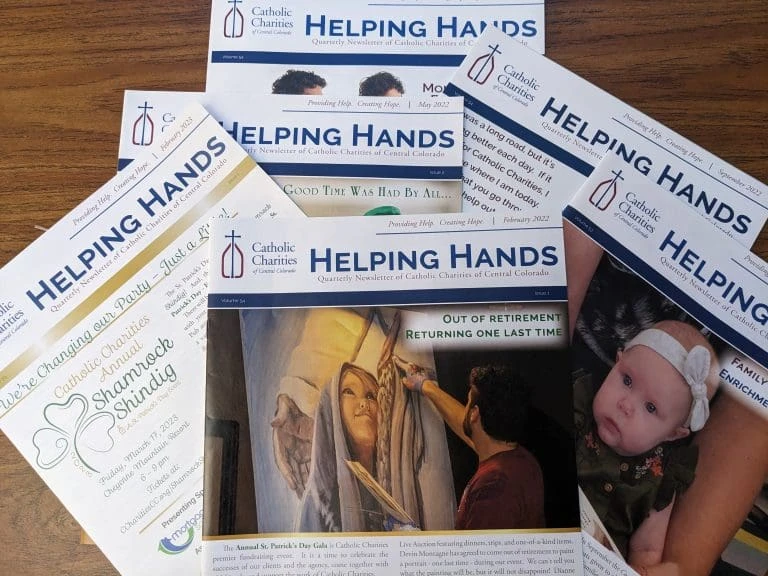
Andy Barton is the President & CEO of Catholic Charities. This blog was first published in the February 2026 issue of the Catholic Charities Helping Hands Newsletter.
Leave a Reply