

BY ANDY BARTON

A 2022 study by the Colorado Health Institute (CHI) illuminated sobering data on the correlation between poverty and mental health. According to their research, 8.1% of Coloradans said they did not get enough to eat over the course of a year due to lack of money for food. Of those, 57.3% reported poor mental health. Of the 5.6% of the population that reported a lack of stable housing, 60% reported poor mental health. 38.4% of unemployed individuals reported poor mental health compared to 26.2% of those who were employed and reported poor mental health.
Poverty leads to a myriad of challenges, including chronic health problems, addiction, and trauma, which all too often lead to financial and housing crises. Yet, as the study from CHI demonstrates, one of the most debilitating effects of poverty is on people’s mental health. Compounding the issue is the demand for mental health services far exceeds the available resources, leaving many without the care they desperately need.
The Catholic Church’s commitment to serving the poor and homeless is deeply rooted in its teachings on human dignity and social justice. Catholic social teaching emphasizes the inherent dignity of every person and the moral imperative to care for those in need. The Church teaches that access to health care, including mental health services, is a basic human right and church leaders have spoken openly about the importance of mental health care, viewing it as compatible with faith and encouraging Catholics to make use of medical treatments, including medications and psychotherapy when needed. By addressing the mental health needs of the poor and homeless, we uphold their dignity and support their overall well-being.
Catholic Charities of Central Colorado has a rich history of providing counseling services that began when the Life Connections program launched in 1994. For 30 years that ministry provided counseling for families and individuals as well as support for the agency’s adoption program. In 2022, we expanded our capacity through a grant from the State of Colorado to add a Licensed Clinical Social Worker who could provide support for clients and staff at the Marian House and Helen Hunt Campuses. That model, which integrated crisis triage, case management, and caregiver support, was quickly recognized for its ability to be a force multiplier in our ability to help the men, women, and children who walk through our doors.
The combination of what we were learning and the ever-growing need for access to mental health services, led us in a strategic push to expand our capacity for providing mental health support to those in need. However, that capacity was limited by manpower and funding, the latter of which was addressed through approval to be reimbursed for Medicaid and Medicare patients. Grants from the Colorado Springs Health Foundation and Myron Stratton Foundation provided much-needed funding to further build the program and hire a clinical manager. This new emphasis on mental health now lives under the agency’s dedicated behavioral health practice called Catholic Charities Counseling Services.
We believe working as a direct provider of mental health services to our poor and homeless will have far-reaching benefits. It not only improves individual health outcomes but also reduces the strain on emergency services and public health systems. Studies have shown that supportive housing combined with mental health services can significantly decrease emergency room visits and hospital readmissions, ultimately saving taxpayer money.
Furthermore, our model will employ a Catholic approach to health care that is holistic, addressing emotional, intellectual, spiritual, and social well-being. This comprehensive care model is essential for effectively supporting our poor and homeless, who often face complex, interrelated challenges. By collaborating with local health systems and other partners, Catholic Charities can provide a network of support that addresses all aspects of a person’s health.
Supporting mental health services for the poor and homeless is not just a charitable act; it is a moral imperative rooted in Catholic teaching. By providing comprehensive, integrated care, Catholic Charities can help these individuals achieve stability, health, and dignity, fulfilling our mission to serve and uplift the most vulnerable among us.
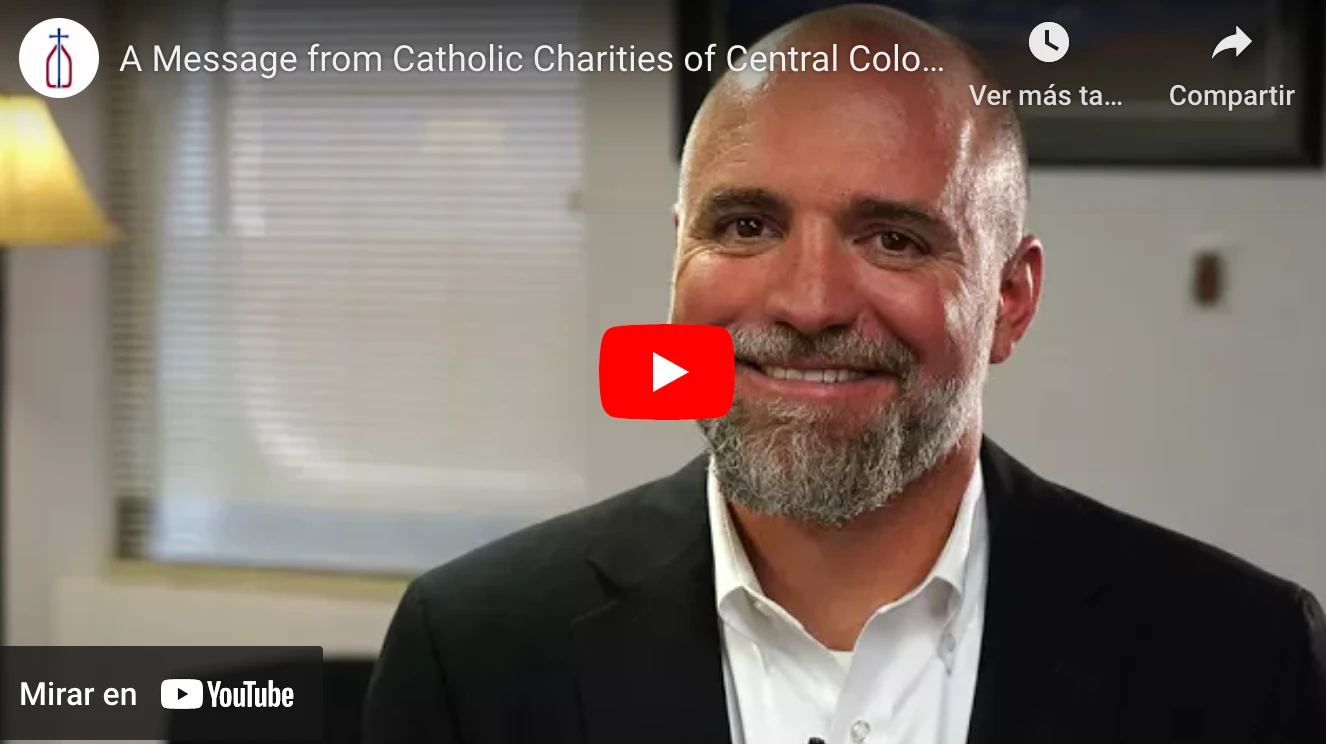
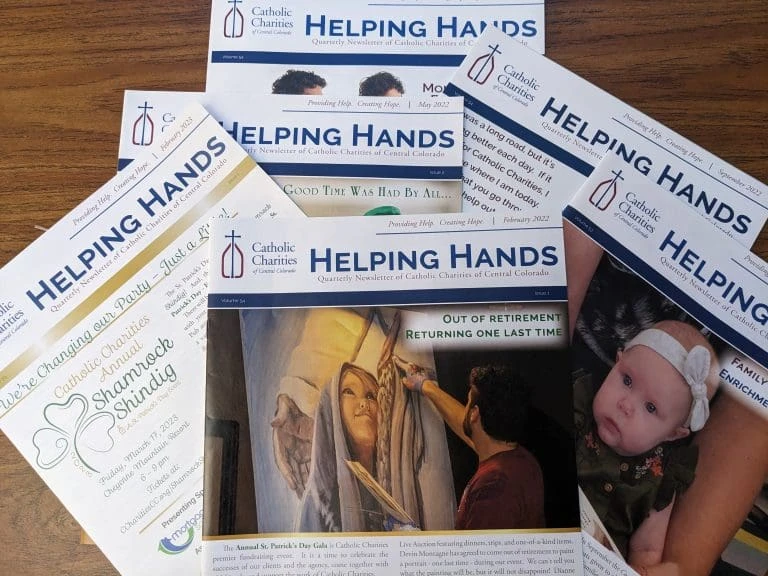
Andy Barton is the CEO of Catholic Charities. This column first aired in the September issue of the Helping Hands Newsletter.

Leave a Reply