

BY ERICA CROSEN
What Becomes Possible When Families Can Thrive?
In his final October Mission Forward video, Catholic Charities CEO Andy Barton asks an important question: What are we trying to build together? He describes a strong community not as one without challenges, but as one with the relationships, resources, and systems to respond when challenges arise and, whenever possible, prevent them from becoming crises.
That vision raises another question: How do we know whether we’re making progress toward building that kind of community?
At Catholic Charities, we track a variety of outcomes, including meals served, families receiving assistance, people finding housing, individuals accessing counseling, nutritional support, and other services, and so much more. These numbers matter because they help us understand the work we do and the people we reach. But they also make me wonder how many people never reach the point where they need emergency assistance.
Our mission requires us to be here when people face hardship. Unexpected expenses, illness, job loss, and other circumstances will always require a strong community safety net. However, our goal cannot simply be to respond better to an ever-growing number of crises. It should also be to create the conditions that help more people avoid them.
Stability creates opportunity
Much of our work focuses on helping people move from crisis toward stability, but stability isn’t the finish line. It’s the foundation for what comes next.
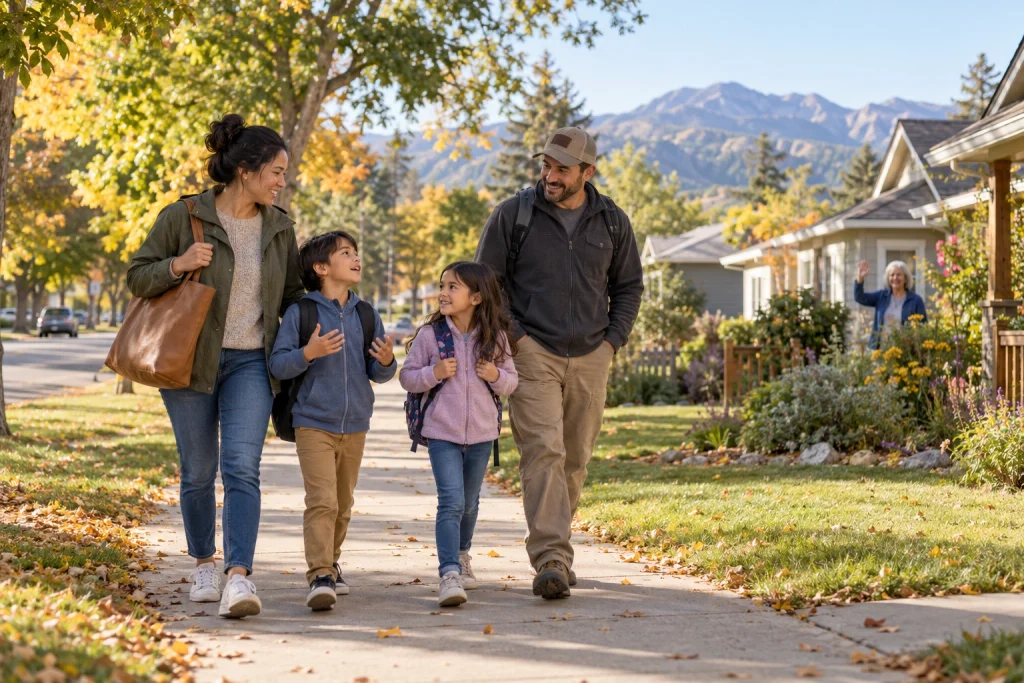
When a family is no longer consumed by concerns about paying rent, keeping utilities connected, or putting food on the table, they have greater capacity to pursue opportunities that may have previously seemed out of reach. Parents can pursue career advancement, families can start building savings, and children can stay connected to their schools and friends. Greater stability also allows people more time and energy to participate in their neighborhoods, churches, and community organizations.
People experiencing poverty already contribute to our community in countless ways. They are parents, employees, caregivers, volunteers, and neighbors. However, financial instability can consume the time, attention, and resources that might otherwise be directed toward new opportunities. Stability doesn’t create someone’s potential; it gives them more room to pursue it.
The impact reaches another generation
The benefits of family stability can extend well beyond the immediate circumstances. Consistent housing, adequate nutrition, access to healthcare, and educational continuity create stronger conditions for children to learn and develop. While none of these guarantee a child’s future, together they can provide a more secure foundation to build on.
This understanding is central to our Family Connections team’s multi-generational approach. By helping parents address immediate challenges while strengthening opportunities for their children, we recognize that the well-being of one generation is closely connected to the next.
It also encourages us to think about prevention over the long term. If helping a family achieve stability today improves the opportunities available to their children tomorrow, some of the most meaningful outcomes of poverty-reduction work may not become visible for years. Today’s support may show up in the educational, economic, and personal opportunities available to the next generation.
In that sense, prevention is not only about avoiding the next emergency. It also creates conditions that can help interrupt cycles of poverty and instability across generations.
Measuring what matters
We rightly celebrate the services we provide because every meal served and every family helped represents a real need met. However, high service numbers tell us two things: they show our response and reveal the level of need in our community.
If more families need emergency food or housing assistance next year, we may do an extraordinary job responding. But that doesn’t necessarily mean our community has become more stable. Evaluating progress requires us to consider not only how effectively we respond when our neighbors need help, but also whether more families are reaching a place where they need emergency assistance less often.
Catholic Charities cannot accomplish either outcome alone. Creating the conditions for greater stability requires organizations, businesses, government, faith communities, and neighbors to recognize how closely our well-being is connected and to work toward shared goals.
The community we’re trying to build
Throughout October, we’ve explored prevention, collaboration, and the importance of looking beyond immediate needs. Together, these conversations point to a larger goal: building a community where more people have stability, resources, relationships, and opportunities to fully participate in their lives.
That means creating conditions where parents can plan beyond the next bill, children can grow up with greater security, and families can seek help without losing their dignity. It also means recognizing that strengthening families today can create opportunities for future generations.
We will always need compassionate, effective crisis services, but we should also work toward a future where fewer families need them. As Andy reminds us, the choices we make, where we invest, and our willingness to work together shape the common good.
Perhaps the measure of a strong community isn’t simply how well we respond when people fall, but how effectively we create opportunities for more families to find their footing and for the next generation to go further.

Leave a Reply